As a fellow dog lover and pet blogger who’s patched up more than my fair share of scratches and scrapes (and a few heart-wrenching gashes along the way), I’m here to share the *real* stuff—the tips that work, the mistakes I’ve made, and the extra spoonfuls of love I add to every treatment. Healing your pup isn’t just about medicine; it’s about kindness, patience, and keeping your cool when things get messy. Let’s do this together.
**1. Breathe. Then Breathe Again. (I’m Serious!)**
The first time my rescue pup, Max, got a deep cut on his paw, I nearly dropped the first-aid kit. Blood everywhere! My hands were shaking. But guess what? Dogs *feel* your panic. Take a deep breath, count to five, and whisper reassuringly to your baby. If you’re calm, they’ll trust that you’ve got their back. It’s not easy—I still feel my heart race sometimes—but acting confident makes all the difference. Remember: You’re their superhero, even if you feel like a nervous wreck inside. Keep a favorite treat nearby to distract *and* reward them during treatment—win-win!
**2. Assess the Situation with Your Gut and Your Eyes.**
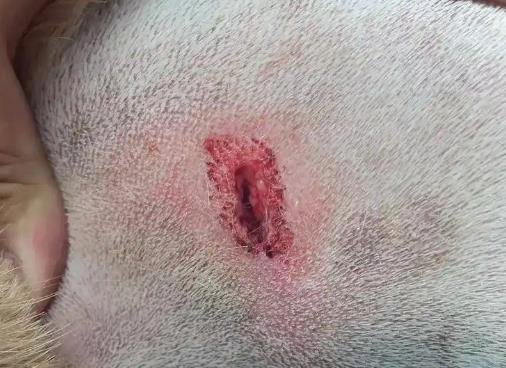
Don’t just *look* at the wound—*evaluate* it. Is it shallow enough to treat at home, or does it look like something a vet should stitch up? *Here’s the golden rule:* If you can’t see the bottom of the wound, if it’s bleeding heavily, or if there’s foreign debris (like glass or dirt), grab a clean cloth to apply pressure and call your vet ASAP. I once thought my dog just had a scratch until I spotted a tiny pebble lodged deep inside. Moral? Trust your instincts. Vets would rather hear from worried owners than have a pet suffer complications. Keep your local vet’s number on speed dial—it could save paws!
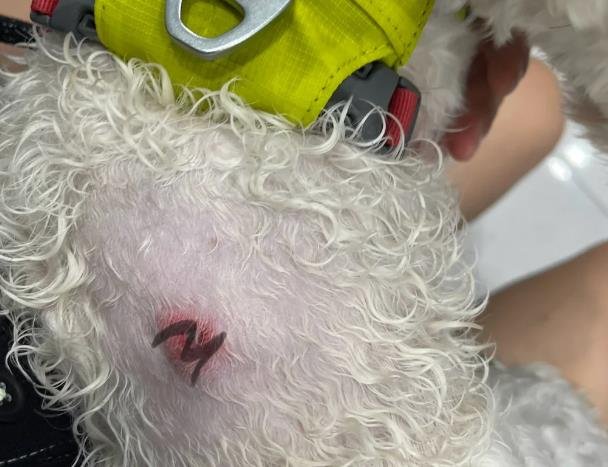
**3. Cleaning Time? Make It a (Gentle) Bonding Session.**
Cleaning a wound isn’t fun, but you can soften the edges:
– Start with lukewarm water to rinse away grime. I use a cup with a small hole to create a gentle stream—think “puppy-friendly showerhead.” (Max even looks like he’s tolerating it…sort of.)
– For cleaner, **use vet-recommended saline solution only.** NEVER use hydrogen peroxide! It burns like crazy and slows healing. Max once flinched so hard I felt guilty for days.
– Pat dry with soft gauze. If your dog resists? Try this genius hack: Clean while they’re eating their *absolute favorite* treat (think freeze-dried liver or peanut butter). Max once let me clean a deep cut while he chowed down—total win! Plus, sing softly. Yes, singing. It relaxes both of us, even if I sound like a rusty gate.
– My secret? Pair cleaning with praise: “You’re such a brave boy/girl! This will help you feel better soon!”
**4. Antibiotic Cream? Vet-Approved, Please!**
Slap on some ointment? Not so fast! Use *only* what your vet recommends. I keep silver sulfadiazine cream on hand—it’s a vet favorite. Avoid Neosporin unless cleared. When applying, talk to your pup: “Okay buddy, this might feel a little cool, but it’ll keep the germs away. Good boy!” It’s weird, but Max perks up when I talk to him like this—maybe he knows I’m on his team.
**5. Bandaging? Think Pro…But with Love.**
Bandaging is an art:
1. Start with a non-stick pad directly on the wound (protective barrier).
2. Wrap with vet wrap snugly but *not* tight. You should fit one finger under the wrap. Too tight = circulation issues. Too loose = gone in 5 minutes.
3. For paw wounds, use a soft fabric “bootie” (doggy slippers!). Max looks adorable, and it stays put.
– Hack: If your pup tears off the bandage, distract them with a puzzle toy. I once played with Max’s Kong for 20 minutes straight while his wound healed overnight. Exhausting, but worth it!
– The dreaded cone? Decorate it! I glued fake flowers and wrote “HEALING HERO” on Max’s. He still hated it, but it made me smile. Every little bit helps.
**6. Comfort Is King—And Queen.**
Recovery needs TLC on steroids:
– Pain meds? Only from your vet. NEVER Ibuprofen! (I once gave Max baby aspirin by mistake—thankfully, he was fine, but vet scoldings are no fun.)
– Create a cozy “recovery nook” with soft blankets. Max gets a heated pad in colder months—it’s his personal doggy spa.
– Boredom? Offer interactive toys filled with peanut butter and frozen—entertainment and treat in one.
– My #1 tip? Extra cuddles. Dogs heal faster when they feel loved and secure. Max sleeps on my pillow now—rules are for the wounded, right?
**7. Monitor & Adjust—You’re the Best Advocate.**
Check the wound daily:
– Look for signs of healing: Reduced redness, no pus, scab forming.
– Warning signs? Foul odor, swelling, fever, or if your dog stops eating/drinking. Call your vet immediately. I once caught an infection early because Max was unusually lethargic—quick action saved him pain.
– Keep the wound clean and dry. Avoid baths until healed. Instead, use damp washcloths around the injury.
– Reward progress with praise and treats. Positive reinforcement works wonders!
**Final Thoughts:**
Healing a dog wound isn’t just a checklist—it’s a labor of love. You’ll feel panicked, frustrated, and tired at times, but remember—you’re doing this *for them.* Max once looked at me with his sad eyes while bandaged and whined. I picked him up, whispered, “I know, buddy. It’ll be okay,” and we watched a dog-friendly movie together. Sometimes, that’s all they need—the knowledge that you’re in this messy, bloody journey together. Keep calm, keep loving, and keep treating those wounds with all the care and kindness your pup deserves. They’ll heal faster because you’re by their side every step of the way.