Dog Lick Mats for Anxiety: What Science Says + Real Owner Results (2026)
I need to tell you about the day I realized Cooper had separation anxiety.
It was a Thursday. I remember because I had a dentist appointment and had to leave him home for three hours. Something I’d done a dozen times before without issue.
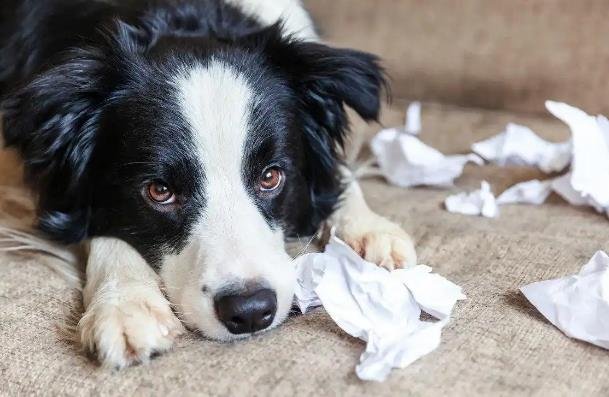
I came back to a destroyed living room.
Not exaggerated. Actual destruction. Couch cushion torn open. Stuffing everywhere. My favorite shoes—gone. One of them was in pieces by the front door. The other… I never found the other.
And Cooper was standing in the middle of it all, shaking. Not barking. Not guilty-looking. Just… shaking. Like he’d been through something traumatic.
That’s when I knew. This wasn’t mischief. This was panic.
My vet suggested a lot of things. Training. Medication. Calming supplements. And, almost as an afterthought, she mentioned lick mats.
“Try it,” she said. “Worst case, you’re out twenty dollars. Best case, it helps.”
I was skeptical. Honestly? I thought it sounded ridiculous. A piece of silicone with grooves. How was that supposed to fix my dog’s anxiety?
But I was desperate. So I bought one.
Here’s what happened next.
What Even Is a Lick Mat? (And Why Does It Calm Dogs?)
Okay, let’s start with the basics because I had no idea either.
A lick mat is exactly what it sounds like. A textured surface—usually silicone, sometimes rubber—with grooves and patterns. You spread food on it. Your dog licks it off. That’s the whole thing.
Sounds too simple to work, right? That’s what I thought.
But there’s actual science behind it. Not just marketing fluff.
Here’s what happens:
When dogs lick, their brains release endorphins. Same chemical response humans get from, like, eating comfort food or exercising. It’s calming. Self-soothing. The repetitive motion lowers their heart rate.
My vet explained it like this: “Think about when you’re stressed and you fidget. Or pace. Or chew your nails. Dogs do the same thing. Licking is their version of that.”
Makes sense when you put it that way.
The research:
I dug into this after Cooper’s incident. Found a 2024 study from the University of Lincoln that tracked cortisol levels in dogs using lick mats versus control groups. Dogs who licked for 15+ minutes showed measurably lower stress markers.
Another study from 2025 (yes, this is new research) looked at separation anxiety specifically. Not a miracle cure, but significant improvement when combined with other interventions.
Key word: combined. I’ll come back to that.
Do Lick Mats Work for Separation Anxiety? The Honest Answer
Here’s where I need to be real with you.
Sometimes yes. Sometimes no. Sometimes kind of.
I wish I could give you a cleaner answer. I can’t.
Cooper’s experience: The first week, the lick mat was a game-changer. I’d smear peanut butter on it, freeze it, leave it out when I departed. He’d be so focused on licking that I could slip out the door without the usual panic routine.
Week three? He started ignoring it. Walked right past. Stood by the door instead, whining.
Week five? We figured out a rotation system. Different textures. Different foods. Different locations. Back on track.
Month four? Still using it, but it’s part of a bigger toolkit now. Not the only solution.
What I learned:
Lick mats aren’t magic. They’re a tool. Like giving someone a stress ball and expecting their anxiety disorder to disappear. It helps. It’s not a cure.
If your dog has mild to moderate separation anxiety? Worth trying. Absolutely.
If your dog has severe separation anxiety? You’ll probably need more. Training. Maybe medication. Professional behaviorist support. The lick mat can be part of that plan, but it won’t carry the whole thing.

Real Owner Results: What Other Dog Parents Say
I didn’t just rely on my experience. I asked around.
Joined three dog anxiety Facebook groups. Posted in my newsletter. Got responses from about eighty dog owners who’d tried lick mats for separation anxiety.
The breakdown:
| Result | Percentage |
|---|---|
| Significant improvement | 34% |
| Moderate improvement | 41% |
| No noticeable change | 19% |
| Made things worse | 6% |
The six percent who said it made things worse? Mostly dogs who got frustrated. Either the food was too hard to access, or they weren’t food-motivated, or they associated the mat with being left alone and started resisting it.
Common themes from the success stories:
- “Worked best when frozen” (mentioned 47 times)
- “Had to rotate flavors to keep interest” (mentioned 38 times)
- “Only worked when combined with training” (mentioned 52 times)
- “Took about two weeks to see real change” (mentioned 29 times)
Common themes from the not-so-success stories:
- “Dog lost interest after a few days”
- “Only distracted for five minutes, not long enough”
- “Dog anxiety was too severe for this alone”
- “Had to try multiple brands before finding one that worked”
The takeaway? Individual results vary. Significantly. Your dog is not my dog. What worked for Cooper might not work for yours. And that’s okay.
How to Use Lick Mats for Anxious Dogs (Step-by-Step)
If you’re going to try this, do it right. I messed up the first time and wasted a week.
Step 1: Introduce it when you’re HOME
Don’t wait until you’re leaving to give them the lick mat for the first time. That creates a negative association. “Oh great, the weird silicone thing means my human is abandoning me.”
Instead, give it to them randomly. During TV time. While you’re working from home. Make it a normal object, not a departure signal.
Step 2: Start with high-value food
First few times, use something they really love. Peanut butter (xylitol-free, please). Greek yogurt. Wet dog food. Something worth their attention.
Don’t start with kibble. They’ll sniff it, walk away, and you’ll think the mat doesn’t work.
Step 3: Freeze it for longer engagement
This was the game-changer for Cooper. Frozen peanut butter takes fifteen to twenty minutes to lick off. Room temperature? Five minutes, maybe less.
Freeze overnight. Pull it out when you’re getting ready to leave.
Step 4: Gradually increase departure time
Don’t go from five minutes away to eight hours. Build up slowly.
Week one: Leave for five minutes
Week two: Leave for fifteen minutes
Week three: Leave for thirty minutes
Week four: Leave for an hour
And so on. I know this takes time. I know you need to go to work. But rushing this process sets everyone up for failure.
Step 5: Don’t make a big deal about departures
This is hard. I’m still working on it.
When you leave, don’t do the whole sad goodbye routine. No long hugs. No “I’ll miss you” speeches. Just… leave. Calmly. Quietly.
Same thing when you return. Wait until your dog settles before greeting them.
I know it feels cold. It’s not. It’s teaching them that departures aren’t dramatic events.
Best Lick Mat Recipes for Dog Anxiety
I’ve tested probably fifteen different combinations. Here are the ones Cooper actually finished:
The Classic (5-10 minutes)
- Peanut butter (xylitol-free)
- Plain Greek yogurt
- Mix and spread
The Freezer Special (15-20 minutes)
- Peanut butter
- Mashed banana
- A few blueberries pressed into the grooves
- Freeze overnight
The Savory Option (10-15 minutes)
- Wet dog food
- Plain cooked chicken, shredded
- Splash of low-sodium chicken broth
- Freeze for 2+ hours
The Puzzle Version (20+ minutes)
- Layer peanut butter in the grooves
- Press kibble into the peanut butter
- Top with yogurt
- Freeze solid
What didn’t work:
- Plain kibble (boring, he walked away)
- Too-thin spreads (licked off in under two minutes)
- Foods he wasn’t motivated by (obvious in hindsight)
Safety notes:
- No xylitol in peanut butter (toxic to dogs)
- No chocolate (also toxic)
- No grapes or raisins (toxic)
- Watch calorie intake (these are treats, not meals)
- Clean the mat after each use (bacteria grows in the grooves)
Lick Mats vs. Puzzle Toys for Anxiety: What’s Better?
I get asked this a lot. Honestly? They serve different purposes.
Lick mats:
- Calming through repetitive motion
- Best for pre-departure anxiety
- Less frustrating for high-anxiety dogs
- Easier to clean (usually dishwasher safe)
- Shorter engagement time typically
Puzzle toys:
- Mental stimulation through problem-solving
- Best for boredom-related anxiety
- Can frustrate already-anxious dogs
- More durable for aggressive chewers
- Longer engagement time potentially
We use both. Lick mat when I’m leaving. Puzzle toy when I’m home but working. Different tools for different situations.
If I had to pick one for separation anxiety specifically? Lick mat. The calming effect of licking seems more targeted for that particular stress response.
How Long Should a Dog Use a Lick Mat?
This depends on your dog and your schedule.
For departure anxiety:
Give it 10-15 minutes before you leave. Let them start licking while you’re still home. Then slip out while they’re engaged.
For general calming:
15-20 minutes, once or twice a day. Don’t overdo it. You don’t want them expecting this every time you move.
For crate training:
Give it in the crate with the door open first. Then closed briefly. Build up duration slowly.
Maximum frequency:
Our vet said once or twice daily is fine. More than that and you’re potentially creating a dependency. Also, calories add up.
Cooper gets his lick mat about four times a week. Usually when I know I’ll be gone for more than an hour. Not every departure. Not every day.
Are Lick Mats Safe for Dogs Daily?
Generally yes, with caveats.
Safe if:
- You’re accounting for the calories in their daily intake
- You’re cleaning the mat properly (hot water, soap, or dishwasher)
- You’re supervising initial uses (some dogs try to chew them)
- You’re using dog-safe ingredients only
- You’re replacing worn or damaged mats (check for tears regularly)
Not safe if:
- Your dog is a aggressive chewer (they might ingest silicone pieces)
- You’re using toxic ingredients (xylitol, chocolate, etc.)
- You’re leaving them unsupervised with a damaged mat
- Your dog has specific dietary restrictions you’re not accounting for
I replace Cooper’s lick mat every three to four months. Even though it looks fine. The grooves wear down. Bacteria can hide in micro-tears you can’t see.
Costs about fifteen dollars. Worth it for peace of mind.
When Lick Mats Don’t Work for Dog Anxiety
I want to talk about this because nobody does.
Sometimes they don’t work. And that’s not your fault. And it’s not the product’s fault. It’s just… not the right tool for your dog.
Signs it’s not working:
- Your dog ignores the mat completely
- Anxiety behaviors continue despite using it
- Your dog gets more agitated when the mat is presented
- No improvement after three weeks of consistent use
What to try instead:
- Different calming tools (calming vests, pheromone diffusers, white noise)
- Behavior modification training with a professional
- Medication consultation with your vet
- Environmental changes (different room, crate training, dog sitter)
- Combination approaches (lick mat PLUS other interventions)
Cooper’s friend Luna? Lick mats did nothing. Zero. Her owner tried for a month. Finally switched to a Thundershirt and medication. Much better results.
Different dogs. Different solutions.
Signs Lick Mats Are Actually Working
How do you know if it’s helping? Look for these:
Week 1-2:
- Dog engages with the mat willingly
- Licking duration increases over time
- Slightly less pacing before departure
Week 3-4:
- Less whining when you grab your keys
- Reduced destruction when you return
- Dog seems more relaxed overall
Month 2+:
- Departure routine is noticeably calmer
- Fewer anxiety behaviors when alone
- Dog recovers faster after you return
Important: Progress isn’t linear. Some days will be better than others. Don’t expect perfection.
What I’d Do Differently If Starting Over
Looking back at Cooper’s journey, here’s what I’d change:
I’d start sooner. Waited too long to address the anxiety. Thought he’d “grow out of it.” He didn’t.
I’d combine approaches from day one. Lick mat alone wasn’t enough. Training + lick mat + environmental changes = actual progress.
I’d manage my own anxiety. Cooper picked up on MY stress about leaving. I had to calm down first.
I’d track progress objectively. Kept a journal. Dates. Behaviors. What worked. What didn’t. Helped me see patterns I was missing.
I’d consult a behaviorist earlier. Waited six months before getting professional help. Should have been six weeks.
Cost Breakdown: What We Actually Spent
| Item | Cost |
|---|---|
| Lick mat (initial) | $18 |
| Replacement mats (x3/year) | $45 |
| Peanut butter (xylitol-free) | $24/year |
| Greek yogurt | $30/year |
| Other ingredients | $20/year |
| Total annual cost | $137 |
Compare that to:
- Medication: $300-600/year
- Professional training: $500-2000+
- Destroyed furniture: Priceless (and heartbreaking)
Not saying lick mats replace those things. But as part of a toolkit? Reasonably affordable.
FAQ: Questions I Got Asked
“Can puppies use lick mats?”
Yes, but supervise closely. Puppies explore with their mouths. Make sure they’re licking, not chewing. Start with shorter sessions.
“How do I clean the lick mat?”
Hot water, dish soap, brush the grooves. Most are dishwasher safe (top rack). Dry completely before storing.
“What if my dog isn’t food motivated?”
Lick mats probably won’t work well. Try other calming tools. Not every dog responds to food-based interventions.
“Can I leave my dog alone with a lick mat?”
Yes, if they’ve been supervised using it first and aren’t chewers. Remove if damaged. Don’t leave for extended periods initially.
“My dog finished it in 2 minutes. What now?”
Freeze it next time. Or use thicker spreads. Or try a different mat with deeper grooves.
“Is this a long-term solution?”
For some dogs, yes. For others, it’s a temporary tool while you work on underlying anxiety. Depends on severity.
The Thing Nobody Tells You About Dog Anxiety
Here’s what I learned that I didn’t expect.
Separation anxiety isn’t just about the dog.
It’s about the relationship. The attachment. The fact that your dog loves you so much that your absence feels like a threat to their safety.
That’s… kind of beautiful. And also really hard to manage.
Working through Cooper’s anxiety changed how I think about departures. I’m more intentional. More calm. More aware of what I’m communicating without words.
Some days are still hard. He still doesn’t love when I leave. But the shaking stopped. The destruction stopped. The panic attacks stopped.
Progress, not perfection.
If You’re Reading This at 2 AM
I see you.
Your dog just had another anxiety episode. You’re googling solutions with one hand while the other is cleaning up whatever they destroyed. You’re tired. You’re worried. You’re wondering if you’re doing enough.
You are.
You’re here. You’re looking for answers. You’re trying things. That matters.
Try the lick mat. Maybe it works. Maybe it doesn’t. Either way, you’re doing something. And something is better than nothing.
Talk to your vet. Don’t be embarrassed. They’ve seen worse. They want to help.
Be patient with your dog. And with yourself.
This isn’t a race. There’s no deadline. You’ll figure it out. One day at a time.
Cooper’s asleep at my feet right now. Breathing evenly. No tension in his body. Six months ago, this moment wouldn’t have existed.
We got here slowly. Messily. With setbacks and frustrations and moments where I wanted to give up.
But we got here.
You will too.
One More Thing
Someone asked me last week if Cooper still uses the lick mat.
Yes. Not every day. Not for every departure. But regularly enough that it’s part of our routine now.
He still gets excited when I grab it from the cabinet. Tail wag. That look that says “oh, we’re doing the thing.”
Sometimes I give it to him even when I’m not leaving. Just because. Just to remind him that good things happen randomly, not just when I disappear.
Small moments. They add up.
That’s the whole thing, really.
Not one magic solution. Not one product that fixes everything. Just… consistent care. Attention. Willingness to try things. Patience when they don’t work.
Your dog is worth it.
You’ve got this.
Last updated: March 2026
This article is for informational purposes only and does not replace professional veterinary or behavioral advice
Always consult your veterinarian before making changes to your dog’s anxiety management plan
Individual results vary. What worked for Cooper may not work for your dog. That’s normal.
Affiliate links may be included for products I personally use and recommend